


There’s a fair chance that if you don’t suffer from Imposter Syndrome yourself, you probably know someone who does.
Many clients seek help for Imposter Syndrome and I’m often the first person they’ve discussed it with.
Embarrassment (and a belief that their feelings are justified) stops a lot of people from admitting to Imposter Syndrome. If they have shared their fear of being discovered as a fraud with a friend or partner, it rarely makes a difference. Well-meant reassurance from a loved one is often dismissed as kindness, or that person ’trying to be nice’.
I’ve worked with many people experiencing Imposter Syndrome and ‘Not Good Enough’ syndrome.
Often, the individual believes that if they, e.g. get another qualification, they will feel confident, ready to apply for promotion, etc.
One client, a university lecturer (who already had a PhD) told me that if or when she became a professor, she would probably feel ok. From the way she said it, I wasn’t convinced she believed this herself. I certainly didn’t.
Those who don’t experience Imposter Syndrome are not more talented or accomplished, they just have a different view of themselves.
I remember sitting in a restaurant in London with a therapist colleague many years ago. At the next table was a young woman with a male friend.
Over the course of the meal, she catalogued her work and academic shortcomings and shared her concerns about not being good enough… whatever ‘good enough’ is!
Interestingly, she expressed all this as if it was incontrovertible, rather than a discussion point. When she paused to take a sip of her drink, her companion simply stated, “But you have a Master’s from UCL.”
My friend and I made eye contact, smiled discreetly, then continued eating.

Imposter Syndrome doesn’t just occur in academia, and neither does it relate specifically to academic and professional qualifications.
Nevertheless, it is common in the workplace.
Years of valuable career and life experience can be dismissed as inconsequential by an individual who doesn’t believe they are equally as accomplished as others. The reason they feel this way has nothing to do with ability and everything to do with lack of confidence or low self-worth.
I’ve worked successfully with men and women with Imposter Syndrome, although it’s often considered a female issue.
Don’t accept self-doubt as evidence of incompetence, see it as a sign that your self-esteem needs elevating.
A good first step to overcoming Imposter Syndrome or managing its effects is noticing when it arises.
Awareness of your internal narrative when Imposter Syndrome strikes is essential. Recognise and acknowledge it for what is – a story that you tell yourself, not the truth.
It can be helpful to view the critical inner voice as a faulty ‘protection’ strategy that operates at an unconscious level; a way of avoiding discomfort or humiliation (by holding you back).
I sometimes suggest that clients give their critical voice a name, one they find amusing or is very different to their own.
Sometimes the name will be that of a real-life person from their past. Then, when the ‘You’ll never be able to do that!’ script starts up in their head, they can say: “Oh, Hi Philomena, I thought you’d pipe up. I know you’re trying to keep me safe, but I’m fine and I don’t need you.”
Add your own ‘signposting expletives’ as desired. Then ignore the voice and go for it, whatever ‘it’ is!
Your internal narrative isn’t true; it just feels true because you run this story on repeat.

Perfectionism often goes hand in hand with Imposter Syndrome.
The underlying driver for perfectionism is to feel better about oneself.
Unfortunately, the need to execute every task perfectly, or achieve top results routinely, creates stress and rarely makes the individual feel good.
And because a lack of perfection was never the problem, doing things perfectly, or being perfect (whatever that is!) isn’t the solution.
Acknowledging this is fundamental to overcoming the pursuit of perfectionism. Knowing when extra effort is valuable (e.g. when preparing for an important exam), and when it is unwarranted, is an important distinction.
Rather than striving to be perfect (and failing), I recommend being happy with being ‘perfectly imperfect’.
Whilst it’s lovely to receive credit for a job well done, many people seek external validation to feel better about themselves; another flawed strategy.
Praise is often transitory and relying on it to feel good is unsustainable long-term.
Social media promotes comparison which exacerbates any ‘Not good enough’ messaging. It’s impossible to know the authenticity of all the stories and lifestyles seen on socials, but I think it’s safe to say that things are not always as paradisiacal as they appear in the digital world.

Far more important than the praise of others is self-regard.
This is key to our wellbeing.
Carl Rogers, the founder of person-centred therapy, encouraged therapists to have ‘Unconditional Positive Regard’ for all their clients, (meaning complete, non-judgmental acceptance).
I believe we all need to develop Unconditional Positive Regard towards ourselves. Too often clients I speak to are mean, critical, and judgmental of themselves and this needs to cease if they are to get over Imposter Syndrome and stop the stressful practice of perfectionism.
“Don’t let the compliments make you feel good because then you are going to allow the insults to make you feel bad.”
Ronda Rousey
Realistically, there will be times when you get something wrong and may feel stupid.
That’s because you are human.
But just because you might feel stupid, it doesn’t mean that you are. Be kind to yourself when you make a mistake and don’t take yourself too seriously.
Perspective is a wonderful thing and when we are stressed or our self-esteem is not where it could be, we can easily get things out of proportion.
Plus, we can’t be good at everything!
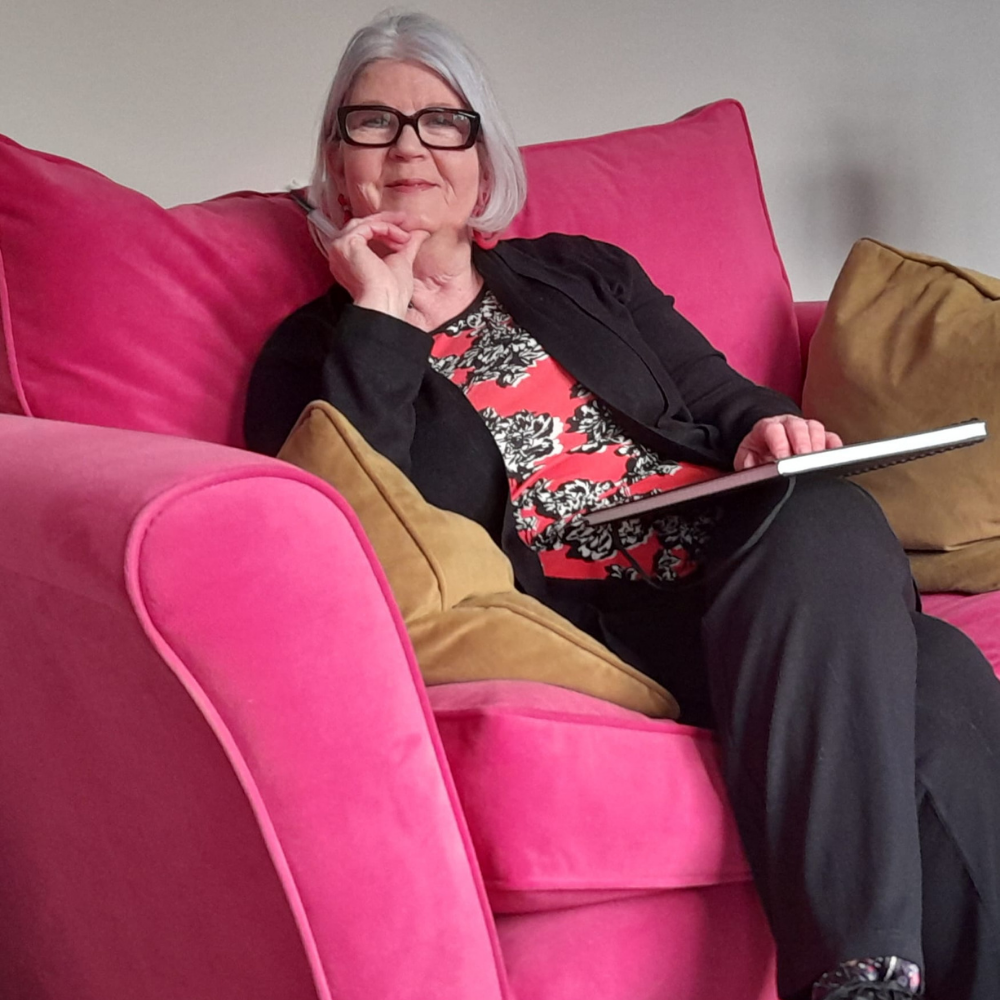
Does this resonate with you?
If this article resonates with you, I offer:
- One-to-one therapy sessions
- Intensive therapy retreats
- A confidential consultation to explore whether we’re a good fit
If you’d like to chat about how I could help, I’d love to hear from you.